Cap feeding and capping
Cap Feeding Systems: Orientation and Capping Handoffs
Separate loading, orientation and transfer when specifying a cap feeder. Test the real closure variants at each handoff to the capping process.
Read the technical guide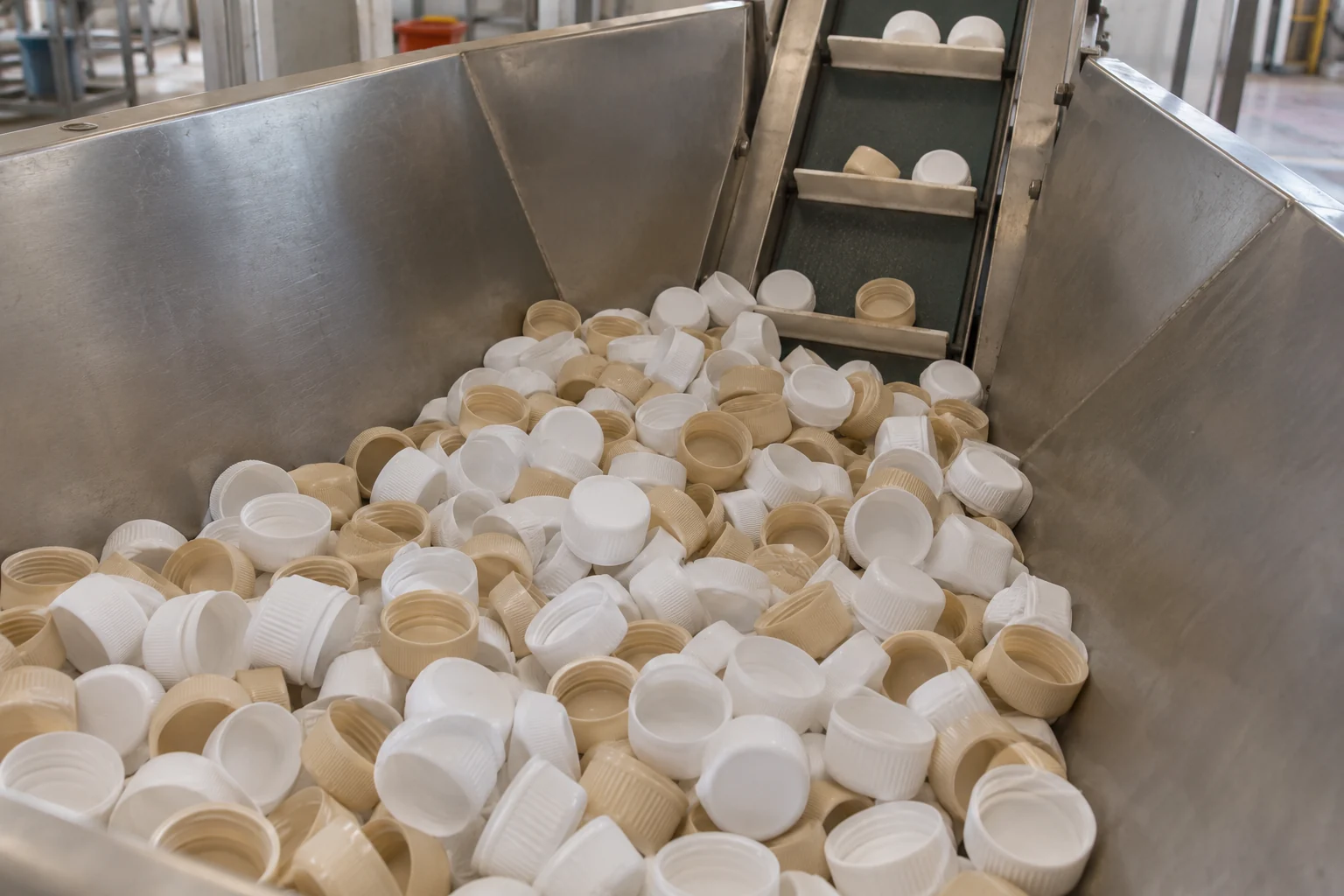

PLASTIC CLOSURES
PROCESS. HANDLING. QUALITY.
PROCESS COMPARISON / TECHNICAL FEATURE
Choose a cap molding route by the accepted closure design and the complete production job, with matched evidence on resin, tooling and post-processing.
Compare the complete production jobCap feeding and capping
Separate loading, orientation and transfer when specifying a cap feeder. Test the real closure variants at each handoff to the capping process.
Read the technical guideClosure inspection
Accept a cap vision system against agreed physical defect samples, documented views and verified rejection, with functional requirements checked separately.
Read the technical guide
Cap feeding and capping
A closure producer should approve a cap on a named bottle and application setup, with representative lots and separate feeding, seating and opening records.
Read the technical guide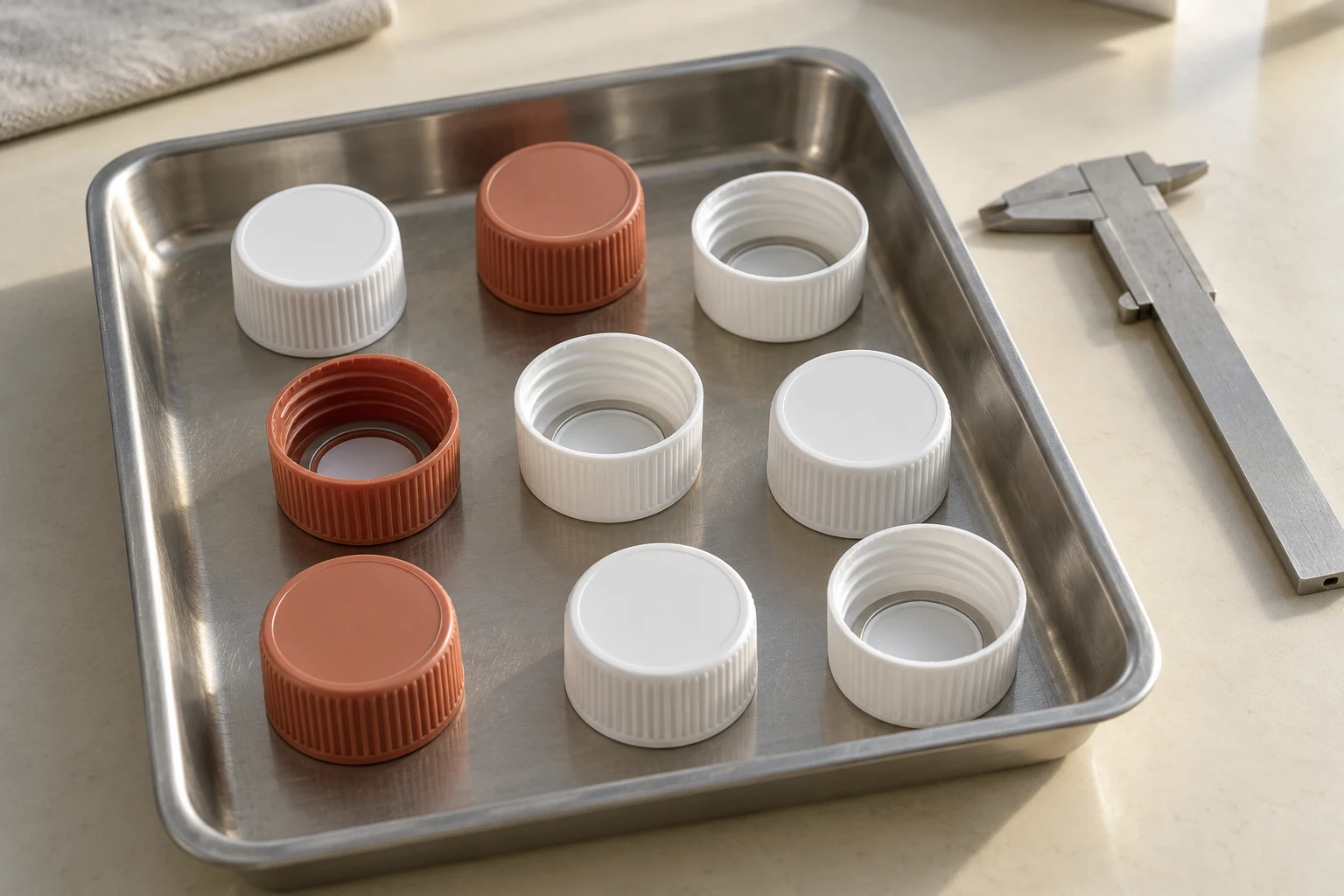
Plastic closure machinery
Release the cap against a controlled bottle-finish drawing, with linked revisions, traceable samples and a defined response to any interface change.
Read the technical guideWe analyze published OEM documentation and structure it into process comparisons, drawing-release registers, and inspection challenge protocols.
Read our editorial standards ↗