Plastic closure machinery
Plastic Cap Compression vs Injection Molding
Choose a cap molding route by the accepted closure design and the complete production job, with matched evidence on resin, tooling and post-processing.
Read the technical guide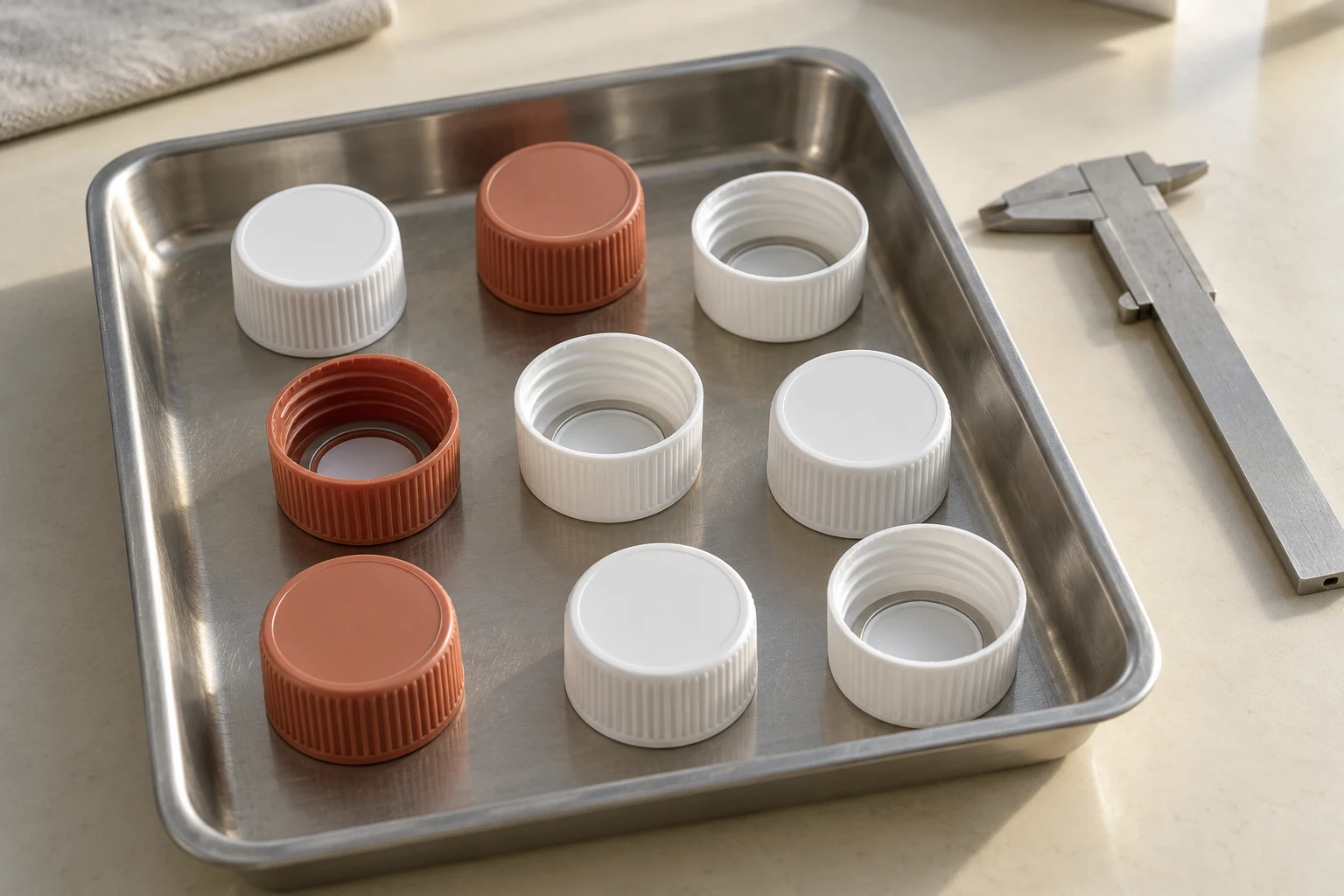

PLASTIC CLOSURES
PROCESS. HANDLING. QUALITY.
THE TECHNICAL LIBRARY
Compare forming routes, control cap handling and define the inspection evidence.
Plastic closure machinery
Choose a cap molding route by the accepted closure design and the complete production job, with matched evidence on resin, tooling and post-processing.
Read the technical guideClosure inspection
Accept a cap vision system against agreed physical defect samples, documented views and verified rejection, with functional requirements checked separately.
Read the technical guide
Plastic closure machinery
Release the cap against a controlled bottle-finish drawing, with linked revisions, traceable samples and a defined response to any interface change.
Read the technical guideCap feeding and capping
Separate loading, orientation and transfer when specifying a cap feeder. Test the real closure variants at each handoff to the capping process.
Read the technical guide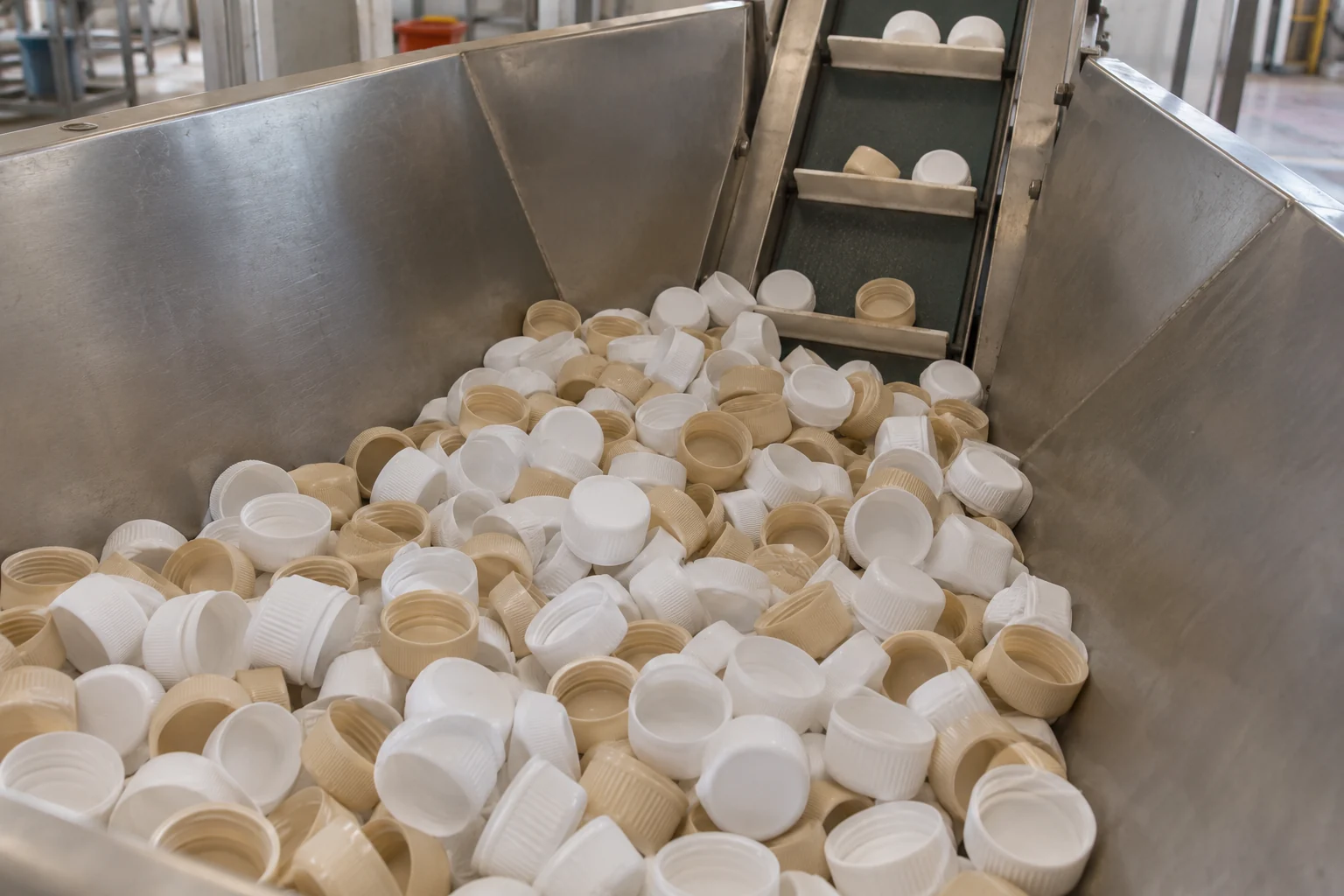
Cap feeding and capping
A closure producer should approve a cap on a named bottle and application setup, with representative lots and separate feeding, seating and opening records.
Read the technical guideCap feeding and capping
Compare disc top cap orifice area, neck finish and feeder limits before the chuck grips the threaded skirt.
Read the technical guide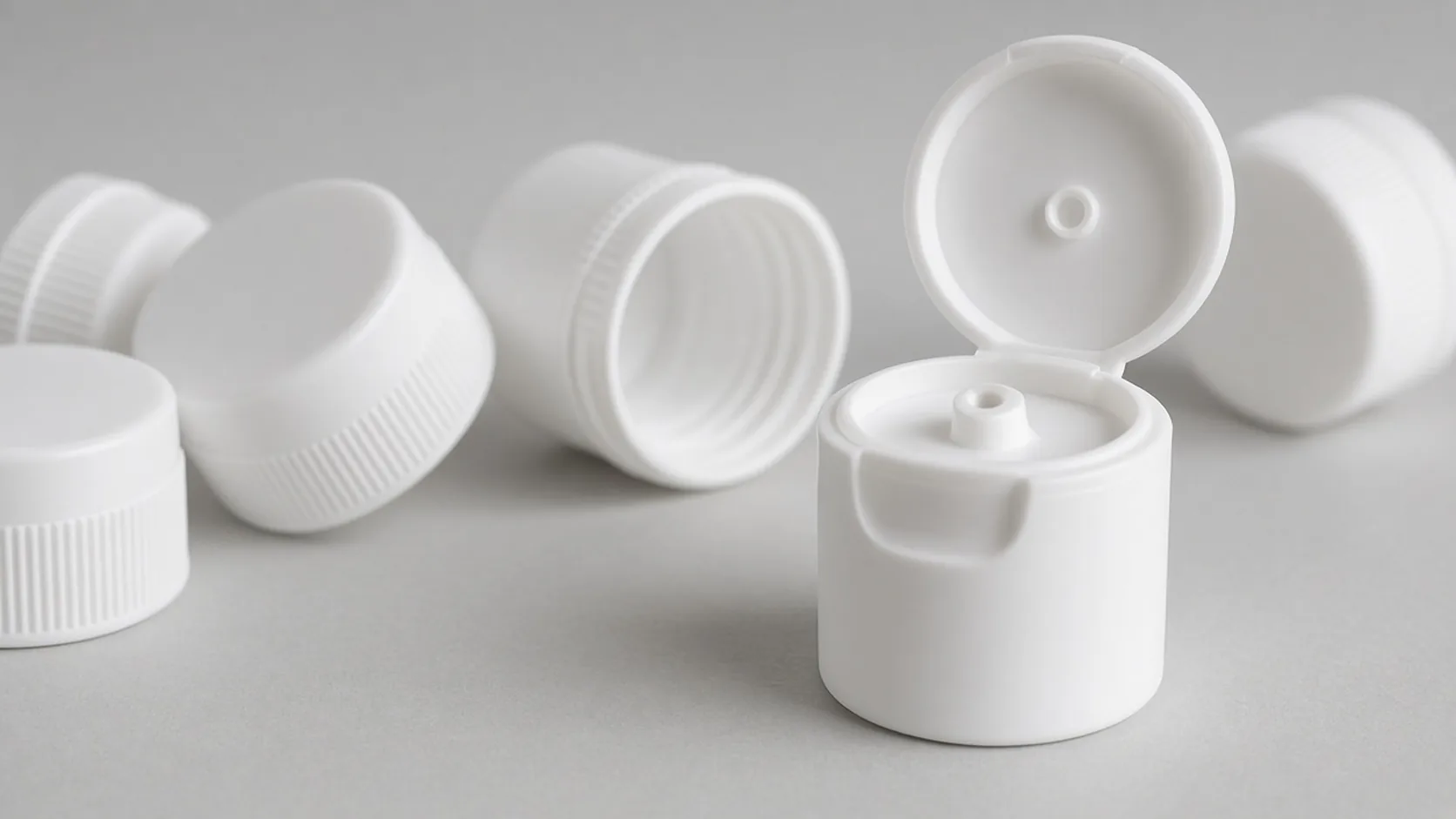
Plastic closure machinery
Design plastic closures around thread release, draft and wall geometry, with a sourced stripping-versus-unscrewing comparison and a worked wall calculation.
Read the technical guide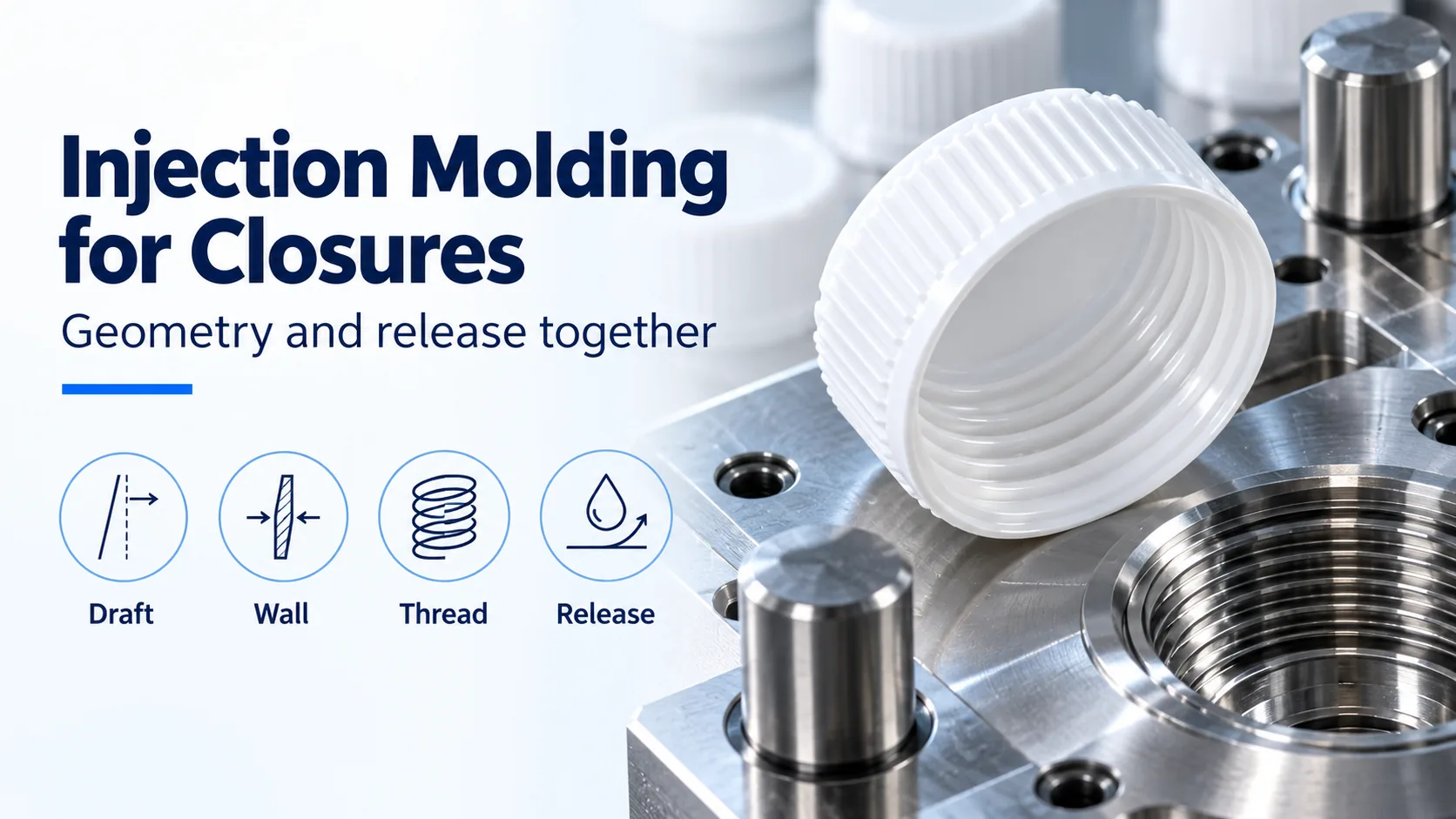
Plastic closure machinery
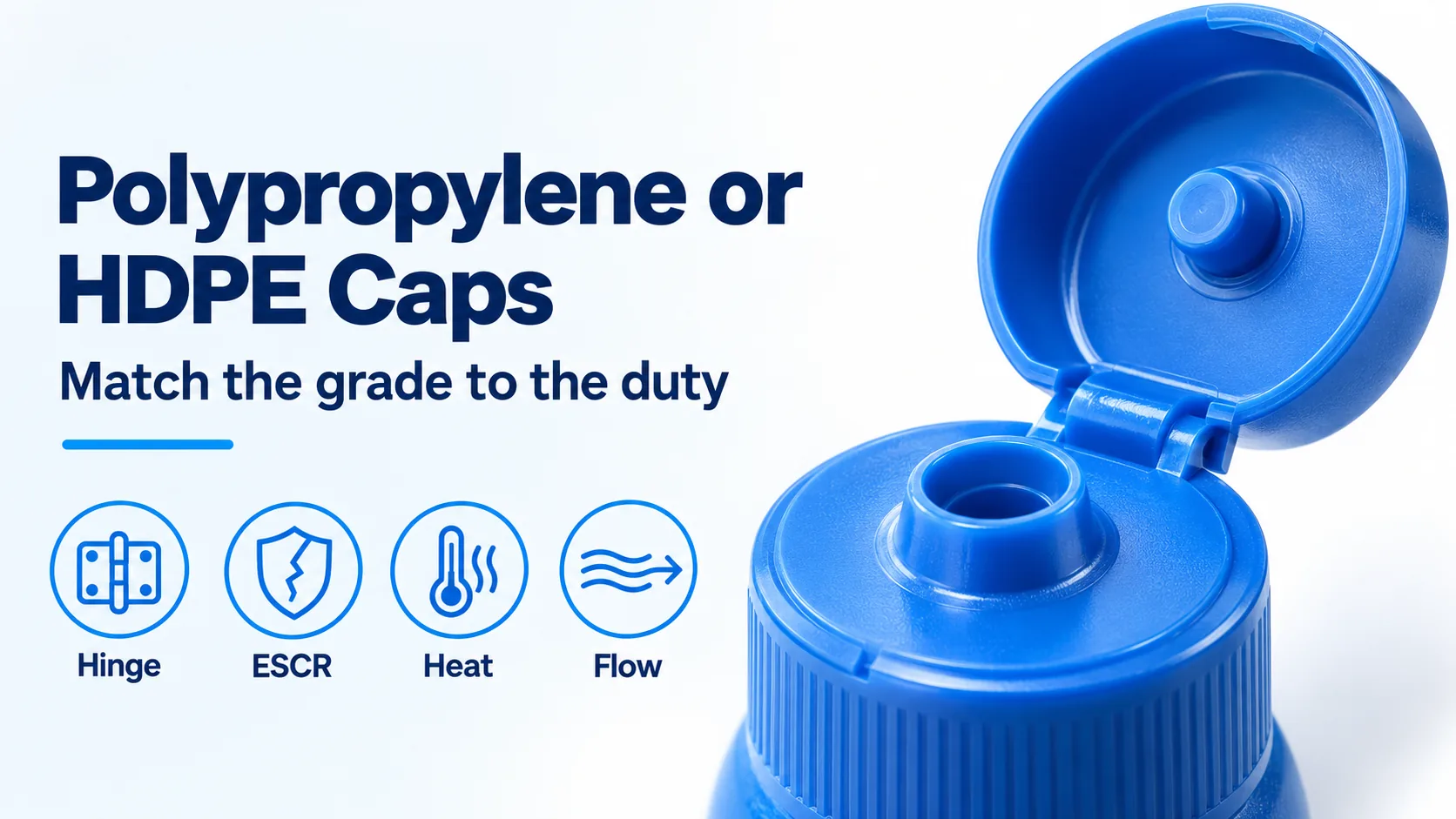
Compare PP and HDPE bottle-cap grades using producer data on hinges, ESCR and heat, with test-condition checks and the hidden cost of resin substitution.
Read the technical guide